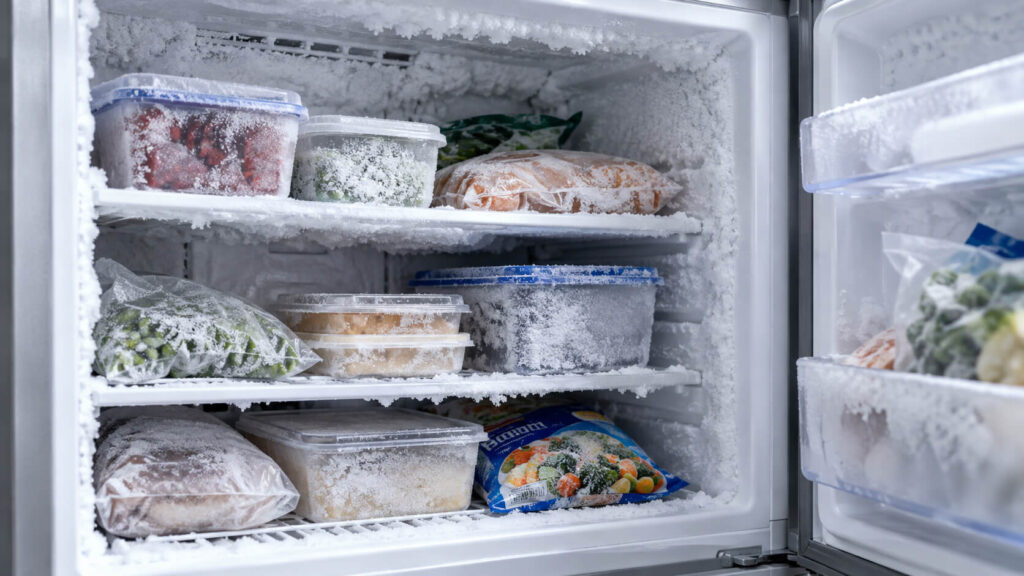
Freezer frost buildup is a common household appliance problem that can affect cooling performance, food quality, and energy efficiency. If you have noticed thick layers of ice on your freezer walls, frozen food packages covered in frost, or ice accumulating around the door, your appliance may need attention. Although a small amount of frost can be normal in certain freezer models, excessive ice formation often indicates a problem with moisture control, airflow, or the defrost system.
Understanding why frost builds up in your freezer is essential for preventing recurring problems and avoiding unnecessary repairs. Common causes include damaged door gaskets, frequent door openings, blocked air vents, and malfunctioning defrost components. Fortunately, many of these issues can be prevented through proper freezer maintenance and simple changes in everyday usage.
This guide explains the most common causes of freezer frost buildup, how to remove accumulated ice safely, and practical ways to keep your freezer operating efficiently.
What Causes Frost to Build Up Inside a Freezer?
Frost forms when moisture in the air enters the freezer and comes into contact with surfaces below freezing temperature. As the moisture cools, it turns into ice crystals that gradually accumulate on freezer walls, shelves, food packaging, and internal components. One of the most common reasons for freezer frost buildup is warm, humid air entering through an open or improperly sealed door. Every time the freezer door opens, some cold air escapes while warmer air enters the compartment. The moisture carried by this incoming air can freeze on interior surfaces.
Frequent door openings increase the amount of moisture entering the freezer, particularly in humid environments. Storing uncovered food can also introduce moisture into the compartment and contribute to ice formation. Another possible cause is placing warm food directly into the freezer, which adds heat and water vapor to the surrounding air. Blocked air vents may interfere with proper temperature distribution and create conditions that contribute to frost accumulation.
In frost-free freezers, a malfunctioning automatic defrost system can allow ice to build up around the evaporator coils. This ice may eventually interfere with airflow and reduce cooling performance. Identifying the underlying cause is important because removing the ice alone may not prevent the problem from returning.
Common Reasons Your Freezer Keeps Frosting Up
Several mechanical problems and everyday habits can explain why a freezer keeps frosting up. A damaged or dirty freezer door gasket is one of the most frequent causes because it prevents the door from sealing properly. Even a small gap can allow humid air to enter continuously, leading to ice buildup near the door or along the interior walls. Food containers, oversized packages, or misaligned drawers can also prevent the freezer door from closing completely.
Another common issue is overloading the freezer, which may block air vents and restrict cold air circulation. Poor airflow can create uneven temperatures and contribute to frost accumulation. In automatic-defrost models, problems with the defrost heater, defrost thermostat, temperature sensor, or electronic control system may prevent accumulated ice from melting as intended. A malfunctioning evaporator fan can also interfere with air circulation, although it is not always the direct cause of frost formation.
High indoor humidity can make the problem worse, especially during warmer months. An improperly positioned or misaligned freezer door may also compromise the seal. Understanding these potential causes helps homeowners distinguish between simple maintenance issues and problems that require professional freezer repair.
How to Identify the Cause of Excessive Freezer Frost?
The location and appearance of frost can provide useful clues about the source of the problem. Ice accumulating around the freezer door often suggests that warm air is entering through a damaged gasket or an incomplete seal. If frost appears primarily on food packages near the front of the freezer, frequent door openings may be contributing to the issue. Heavy frost covering the rear interior panel of a frost-free freezer can indicate an automatic defrost system problem.
Begin by checking whether the freezer door closes completely without resistance. Inspect the rubber door gasket for cracks, tears, dirt, or areas that appear loose. You can also perform a simple paper test by closing the door on a sheet of paper and gently pulling it outward. If the paper slides out with little resistance in one area, that section of the seal may require closer inspection. Repeat the test around the door because sealing problems may affect only certain sections.
Next, check whether food packages are blocking internal air vents or preventing drawers from closing properly. Use a freezer thermometer to confirm that the compartment maintains a temperature near 0°F (-18°C). If frost continues returning despite a clean gasket, unobstructed airflow, and proper door closure, an internal component may be malfunctioning. These observations can help a repair technician diagnose the problem more efficiently.
How to Remove Frost From Your Freezer Safely?
Removing accumulated frost can improve storage space and restore proper airflow, particularly in manual-defrost freezers. Before beginning, consult the manufacturer’s instructions because defrosting procedures vary between freezer models. Start by transferring frozen food into an insulated cooler or another working freezer to maintain safe storage temperatures. Turn off the appliance and disconnect its power supply if the manufacturer’s defrosting instructions require it.
Place absorbent towels around the freezer to collect water as the ice melts. Leave the freezer door open and allow the accumulated frost to thaw naturally. Some manufacturers permit placing a container of warm water inside the compartment to speed up defrosting, but this method should only be used when approved for your model. Never use knives, screwdrivers, or other sharp objects to chip away at ice because they can puncture refrigerant lines or damage internal surfaces.
Avoid using hair dryers, heat guns, or other electrical heating devices because they can create electrical hazards and damage plastic components. Once the ice has melted, wipe the interior clean and dry all surfaces thoroughly. Restore power and allow the freezer to reach its recommended operating temperature before returning food. If thick frost returns quickly in an automatic-defrost freezer, further diagnosis may be necessary rather than repeated manual defrosting.
How to Prevent Frost Buildup in Your Freezer?
Preventing freezer frost buildup starts with limiting the amount of warm, humid air entering the appliance. Keep the freezer door closed whenever possible and avoid leaving it open while deciding what to remove. Organizing frozen food into labeled containers can reduce the time needed to locate items. Check the door gasket regularly and clean it with mild soap and water to remove debris that could interfere with sealing.
Make sure frozen food packages and storage baskets do not prevent the door from closing completely. Maintain the freezer temperature at approximately 0°F (-18°C), which is the recommended setting for normal frozen food storage. Allow freshly cooked food to cool promptly and safely before freezing it, without leaving perishable items at room temperature for more than two hours. Store food in tightly sealed, freezer-safe containers or moisture-resistant packaging to limit moisture exposure.
Avoid overfilling the compartment because blocked vents can restrict airflow and create uneven cooling. At the same time, keeping a reasonable amount of frozen food inside can help maintain stable temperatures when the door is opened. For manual-defrost models, follow the manufacturer’s recommended defrosting schedule rather than allowing thick ice layers to accumulate. These preventive habits can reduce frost formation, protect frozen food, and support efficient freezer operation.
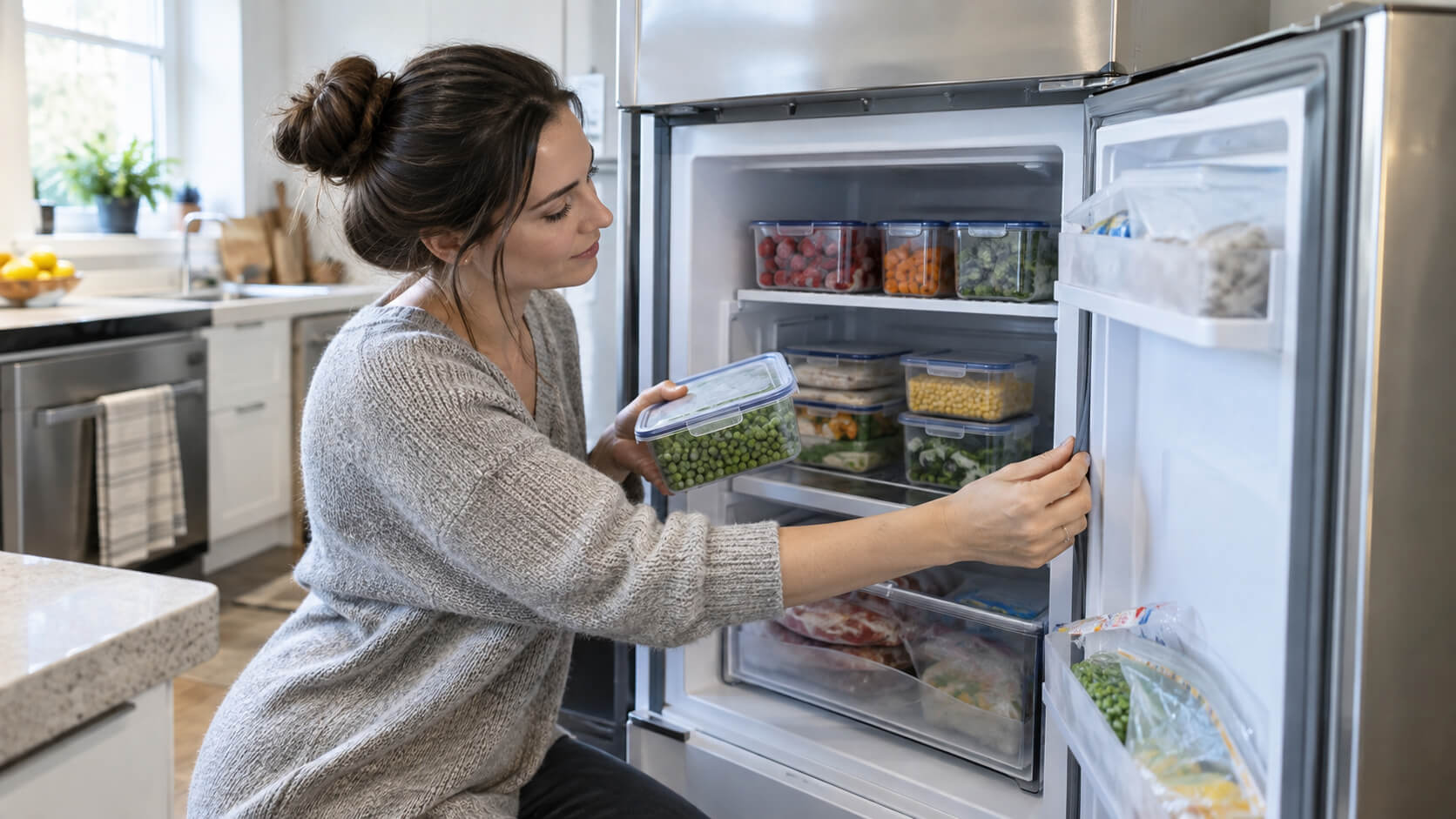
Why Frost Buildup Can Affect Freezer Performance?
Excessive freezer frost can interfere with the appliance’s ability to maintain consistent cooling conditions. As ice accumulates, it can reduce usable storage space and make shelves or drawers difficult to operate. Frost surrounding internal air vents may restrict circulation and cause uneven temperatures throughout the compartment. In frost-free models, ice buildup around the evaporator can prevent the cooling system from distributing cold air effectively.
When airflow becomes restricted, the freezer may struggle to maintain its target temperature. This can cause the compressor to operate for longer periods and potentially increase electricity consumption. Persistent temperature fluctuations may also affect the quality of frozen food. However, frost buildup inside the appliance and freezer burn on food are not exactly the same problem.
Freezer burn occurs when frozen food loses moisture, often because of inadequate packaging or prolonged storage. Although both problems involve moisture movement, frost on freezer walls does not automatically mean food has developed freezer burn. Excessive ice can also prevent drawers or doors from closing properly, making the original problem worse. Addressing frost accumulation early helps protect appliance performance and reduces the risk of more extensive cooling problems.
When Should You Call a Professional for Freezer Frost Problems?
Some freezer frost problems can be resolved through cleaning, proper organization, and improved door sealing. However, recurring ice buildup may indicate a mechanical or electrical fault that requires professional diagnosis. If thick frost repeatedly forms on the rear panel of a frost-free freezer, the automatic defrost system may not be functioning correctly. Potential causes include a defective defrost heater, thermostat, thermistor, or electronic control board.
A damaged evaporator fan may also create cooling and airflow problems that require repair. If the freezer is not maintaining a safe temperature despite having an unobstructed door seal, a technician should inspect the cooling system. Unusual noises, continuous compressor operation, or significant temperature fluctuations are additional signs that professional service may be necessary.
Homeowners should avoid removing electrical panels or attempting internal component repairs without appropriate training. Freezers contain electrical equipment, delicate cooling components, and potentially hazardous refrigerants. A qualified appliance repair technician can test individual components and determine whether repair or replacement is appropriate. Seeking professional assistance when the problem persists can prevent unnecessary part replacements and help restore reliable freezer operation.
Frequently Asked Questions About Freezer Frost Buildup
Is it normal for a freezer to have frost? A thin layer of frost may be normal in manual-defrost freezers, but excessive ice accumulation is not desirable. Frost-free freezers may occasionally show light, temporary frost, particularly during humid conditions. However, thick ice that repeatedly forms on interior panels may indicate a problem.
Why does my frost-free freezer keep icing up? Common reasons include a faulty door gasket, blocked air vents, frequent door openings, or a malfunctioning automatic defrost system. If ice repeatedly covers the rear panel, the defrost heater or another defrost component may need inspection.
What temperature should my freezer be set to? The recommended freezer temperature is 0°F (-18°C). This setting helps maintain safe frozen food storage conditions, although temperature adjustments alone will not repair a defective door seal or defrost system.
How often should I defrost my freezer? Manual-defrost freezers should be defrosted according to the manufacturer’s instructions, commonly when frost reaches approximately 1/4 inch (6 mm) thick. Frost-free models normally handle defrosting automatically and should not require routine manual defrosting.
Can too much food cause freezer frost? Yes, excessive food storage can block air vents or prevent the door from closing properly. Keeping the compartment organized and allowing sufficient airflow helps reduce these risks.
Why is there ice only at the bottom of my freezer? Ice collecting on the freezer floor may indicate a blocked or frozen defrost drain, especially in certain automatic-defrost refrigerator-freezer designs. If the ice returns after removal, the drainage system may require inspection.