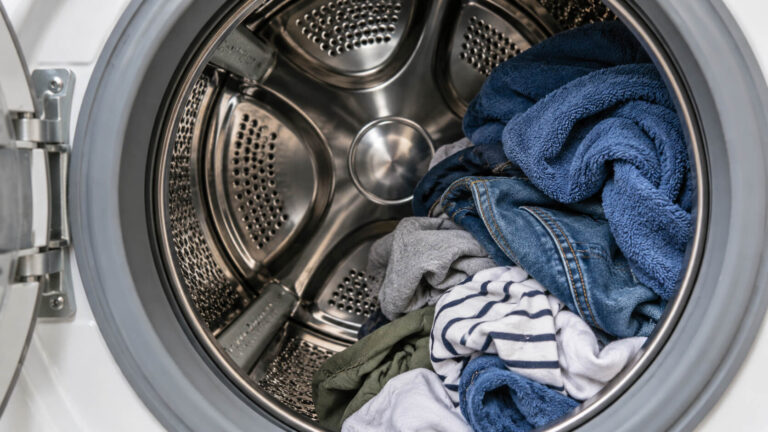
A clothes dryer that runs but fails to produce enough heat can turn a simple laundry task into a frustrating experience. Clothes may remain damp after a complete drying cycle or the appliance may require several cycles to dry a single load. Although a dryer not heating properly often suggests a mechanical problem, the actual cause may be something as simple as an incorrect setting or restricted airflow. Both electric and gas dryers depend on multiple components to generate and regulate heat. When one of these components malfunctions, the dryer may stop heating entirely or operate at a lower temperature than expected. Identifying the underlying issue is important because continued operation with certain faults may increase energy consumption, damage internal components or create safety hazards. Understanding the common causes of dryer heating problems can help distinguish minor operating issues from failures that require professional attention. The following seven problems are among the most common reasons a dryer stops heating or struggles to dry clothes effectively.
1. Clogged Lint Filter or Blocked Dryer Vent
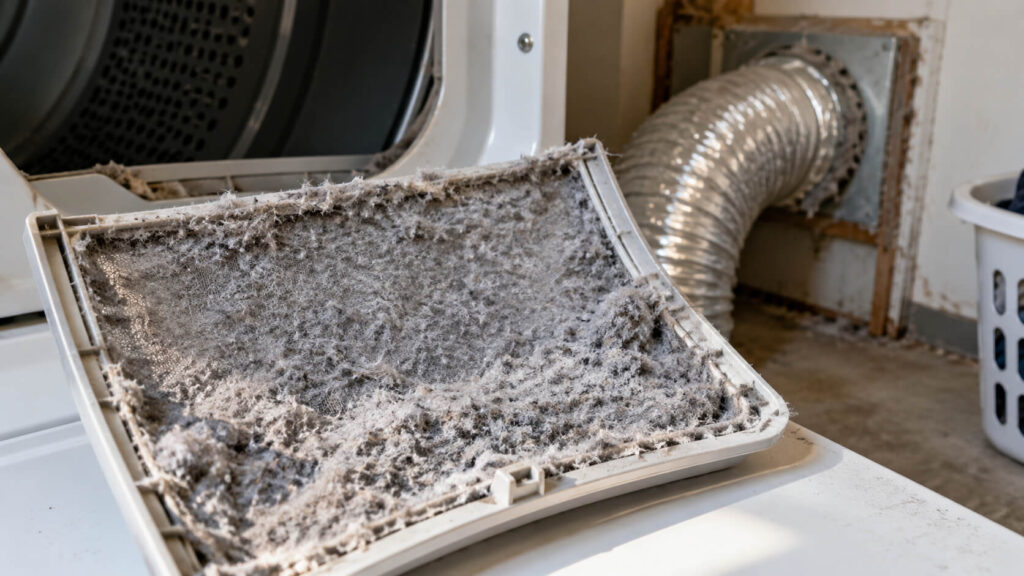
Restricted airflow is one of the most common reasons a dryer fails to dry clothes efficiently. During operation, the appliance circulates heated air through the drum to remove moisture from fabrics. This moisture must then leave the dryer through the exhaust system in conventional vented models. When lint accumulates inside the filter or exhaust duct, airflow becomes restricted and drying performance decreases. A clogged dryer vent can prevent moisture-laden air from escaping effectively. As a result, clothes may remain damp even when the appliance produces sufficient heat. Restricted airflow can also cause internal temperatures to rise excessively, potentially activating safety devices that interrupt heating. In severe cases, lint accumulation can contribute to overheating and increase the risk of a dryer fire. Common warning signs include unusually long drying cycles, hot laundry that remains damp and weak airflow at the outdoor exhaust opening. A crushed or excessively bent vent hose can cause similar problems even when the lint filter appears clean. Regular cleaning of the lint screen and periodic inspection of the exhaust system are recommended to maintain proper airflow. If the vent is heavily obstructed or difficult to access, professional cleaning may be necessary.
2. Incorrect Dryer Settings or Temperature Selection
Sometimes, a dryer not heating properly is caused by the selected drying program rather than a defective component. Most modern dryers offer several temperature settings designed for different fabric types. Delicate cycles generally use lower temperatures to reduce the risk of fabric damage. Air-dry or air-fluff settings typically operate without activating the heating system. If one of these settings is selected accidentally, the dryer may tumble normally while producing little or no heat. Energy-saving programs can also use reduced heating or extended periods of unheated airflow, depending on the appliance design. Consequently, clothing may take longer to dry even though the dryer is functioning as intended. Some automatic cycles also include a cool-down phase during which heating stops before the cycle ends. An incorrect dryness level may cause the appliance to stop before heavier garments have dried completely. Mixed loads containing towels, lightweight shirts and thick fabrics can further complicate automatic drying performance. Reviewing the selected program, temperature level, and dryness setting is recommended before assuming that the heating system has failed. A heated timed-dry cycle can help determine whether the appliance is capable of producing heat.
3. Insufficient Electrical Power Supply
Electric dryers require an adequate electrical supply to power both the drum motor and the heating system. In many North American residential models, the heating element operates using a 208- or 240-volt supply, depending on the installation. However, the motor and electronic controls may continue operating even when the heating circuit does not receive the necessary power. This explains why an electric dryer may spin but not heat. A partially tripped double-pole circuit breaker can interrupt power to the heating system without completely disabling the appliance. A blown household fuse, damaged power cord or loose electrical connection may produce similar symptoms. In some situations, the dryer starts normally but consistently leaves clothes wet after completing its cycle. Repeated breaker trips may indicate an electrical fault rather than a temporary interruption. Damaged connections can also generate excessive heat and create a fire hazard. Checking the household circuit breaker and confirming that the appliance is connected to the correct electrical supply are reasonable initial steps. Electrical outlet testing, wiring inspections and repairs should be performed by a qualified electrician because dryer circuits can carry dangerous voltage.
4. Burned-Out Heating Element
The heating element is a critical component in conventional electric dryers. It generates heat by passing electrical current through a resistant metal coil or heating assembly. As air flows across the heated component, it becomes warm before entering the dryer drum. This process allows moisture to evaporate from clothing during the drying cycle. Over time, repeated heating and cooling can weaken the element and eventually cause it to fail. When the heating element burns out, the dryer may continue tumbling without producing the necessary heat. In some cases, a partially damaged element or an intermittent electrical connection can cause inconsistent heating performance. Clothes may take significantly longer to dry or the appliance may circulate only room-temperature air. A defective heating element can sometimes be associated with visible coil damage or a broken electrical circuit. However, heating problems are not always caused by the element itself because thermostats, safety devices and electrical connections also control heater operation. Proper diagnosis typically involves testing electrical continuity and inspecting the relevant heating circuit. A failed heating element generally requires replacement rather than repair. Because internal electrical components may retain hazardous energy or have sharp edges, professional inspection is recommended.
5. Blown Thermal Fuse or Faulty Thermostat
Dryers use temperature-control and safety components to prevent excessive heat buildup. Two important components in many conventional dryers are the thermal fuse and thermostat. The thermostat helps regulate operating temperature by controlling the heating system as needed. The thermal fuse or thermal cutoff provides additional protection when temperatures exceed safe limits. If a non-resettable thermal safety device opens, the affected electrical circuit is interrupted. Depending on the dryer design, this may stop the heating system or prevent the appliance from operating entirely. A faulty thermostat can also cause insufficient heating, inconsistent temperature regulation or excessive heat. These problems may produce symptoms similar to those of a damaged heating element. A blown thermal fuse is often a consequence of overheating rather than an isolated failure. Restricted airflow, a clogged exhaust duct or another malfunction may contribute to the condition that activated the safety device. Replacing the fuse without identifying the original cause can result in repeated failures. Testing and replacement of defective safety components should be performed with the dryer disconnected from power. Thermal fuses and safety switches must never be bypassed because they are essential to the appliance’s protection system.
6. Gas Ignition System Problems
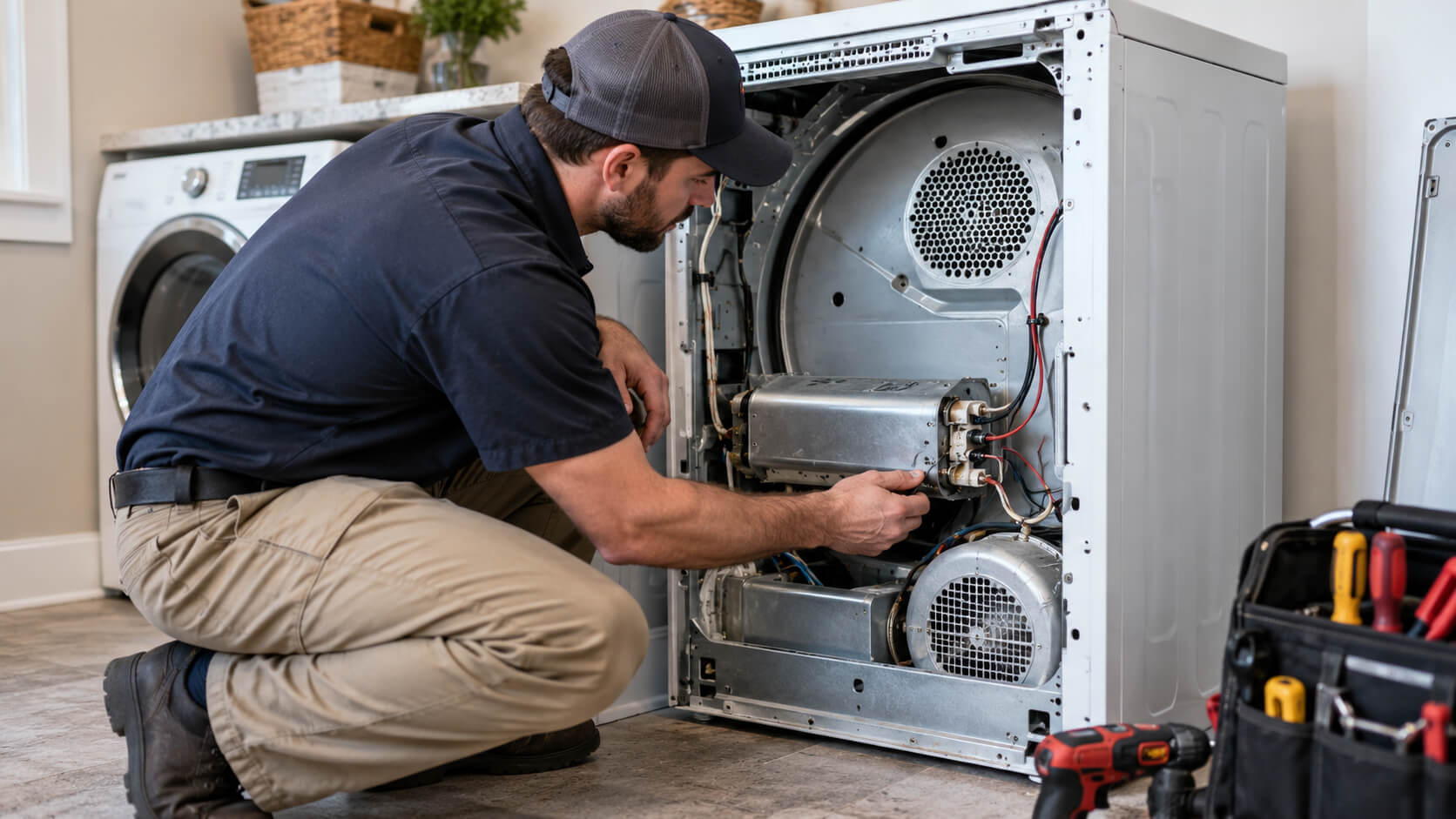
Gas dryers use a burner assembly to generate heat instead of relying on an electric resistance heating element. The heating process depends on a reliable gas supply and a properly functioning ignition system. Components may include an igniter, flame sensor, gas valve and solenoid coils. If one of these parts malfunctions, the dryer may continue operating without generating sufficient heat. A defective igniter can prevent the gas burner from lighting. Faulty gas valve coils may also prevent the burner from receiving gas even when the ignition system attempts to operate. In some cases, the burner lights successfully at the beginning of a cycle but fails to restart after warming up. This intermittent behavior can cause laundry to remain damp despite an apparently normal drying cycle. An interrupted gas supply or closed shutoff valve can produce similar symptoms. Other warning signs may include repeated ignition attempts or a complete absence of heat. Because several components work together during ignition, accurate diagnosis requires evaluation of the complete burner system. Gas fittings, burner assemblies and ignition components should be inspected and repaired by qualified professionals. If a gas odor is detected, the appliance must not be operated and the area should be evacuated before contacting the appropriate emergency service or gas utility from a safe location.
7. Faulty Moisture Sensor or Electronic Control System
Modern dryers often use electronic sensors and control systems to monitor drying conditions. Moisture sensors help determine whether clothing is still damp during automatic drying cycles. Temperature sensors provide information used to regulate heating and protect internal components. The electronic control system processes these signals and manages different stages of the drying cycle. When a moisture sensor becomes dirty or fails, the dryer may incorrectly determine that clothing is already dry. This can cause an automatic cycle to end prematurely, leaving garments damp. Residue from fabric softeners or dryer sheets may interfere with the sensor’s ability to detect moisture accurately. However, a dirty moisture sensor typically causes incorrect cycle duration rather than a complete loss of heat.
Faulty temperature sensors, damaged wiring or defective electronic controls can interfere more directly with heater operation. Depending on the model, these failures may cause inconsistent temperatures, unexpected cycle interruptions or a dryer that runs without heating. Cleaning accessible moisture sensor surfaces according to the appliance’s operating instructions may improve automatic drying performance. If the dryer heats during a timed cycle but stops too early during automatic programs, a moisture-sensing problem may be suspected. Persistent heating failures require further inspection of temperature sensors, wiring and electronic controls to identify the actual cause.
How to Tell Whether Your Dryer Has a Heating Problem?
A dryer that leaves clothing damp does not necessarily have a defective heating component. Poor airflow, incorrect settings and oversized laundry loads can produce symptoms that resemble a heater failure. Distinguishing between these problems is important before deciding whether repairs are necessary. A basic heating assessment can begin by selecting a suitable heated drying cycle, provided the appliance shows no signs of overheating or electrical damage. On a conventional dryer, some warmth should normally develop after several minutes of operation. If the drum rotates but the interior remains completely cold, an electrical or heating-system problem may be present. When the dryer produces heat but clothing remains wet, restricted airflow or poor tumbling performance becomes more likely.
The size and composition of the laundry load should also be considered. Overloading reduces the space available for effective tumbling and airflow. Excessively wet garments may require longer drying times, particularly if the washing machine did not complete its spin cycle effectively. Heat pump dryers should be assessed differently because they typically operate at lower temperatures and may require longer cycles than conventional models. A dryer that consistently fails to dry clothes under normal conditions should be inspected to determine whether airflow, heating or electronic control problems are responsible.
When Should a Dryer Heating Problem Be Professionally Inspected?
Some dryer heating problems can be traced to operating settings or routine maintenance needs. However, internal component failures generally require more detailed inspection. A dryer that runs without producing heat after the settings and external airflow have been checked may have a defective heating element, thermostat, thermal fuse or electrical connection. Professional evaluation is particularly important when the appliance repeatedly trips its circuit breaker. Burning odors, smoke, unusual electrical sounds, and visible wiring damage are additional warning signs. Continued operation under these conditions can increase the risk of fire or further mechanical damage. A gas dryer that fails to ignite consistently may require inspection of its burner and safety controls. Repair technicians can assess heating performance, electrical continuity, temperature regulation and other relevant components using appropriate diagnostic equipment. Identifying the underlying cause helps prevent unnecessary component replacement. If a thermal safety device has failed, the condition responsible for overheating must also be investigated. Timely inspection can help restore reliable drying performance while reducing the likelihood of additional damage.