A microwave that runs but doesn’t heat can be frustrating, especially when the appliance appears to be working normally. The interior light turns on, the turntable rotates, and the timer counts down, but your food remains cold. This common microwave problem can occur for several reasons, ranging from incorrect cooking settings to malfunctioning internal components. While some issues are easy to identify and resolve, others require professional microwave repair.
Understanding why your microwave is not heating is the first step toward finding an appropriate solution. In some cases, the problem may be caused by an activated demo mode, a low power setting, or a door that does not close properly. More serious issues can involve the magnetron, high-voltage diode, inverter board, or door interlock switches. These components are essential for generating microwave energy and maintaining safe operation.
In this guide, we explain what to check when your microwave runs but doesn’t heat, how to identify potential causes, and when professional assistance is necessary. We also cover practical maintenance tips to help prevent future microwave heating problems.
Why Does a Microwave Run but Not Heat Food?
A microwave oven uses electromagnetic energy to heat food, making it different from a conventional oven that relies primarily on heated air or surfaces. Inside the appliance, a component called the magnetron generates microwave energy that interacts with molecules in food, producing heat. When a microwave runs but does not heat, the problem may involve the system responsible for generating or delivering that energy. The appliance’s light, fan, and turntable can sometimes continue operating even when the heating system has failed.
This happens because the microwave contains different electrical circuits that control its various functions. A working display or rotating plate does not necessarily mean that the magnetron is functioning correctly. For example, a malfunctioning high-voltage diode may prevent the magnetron from receiving the electrical conditions it needs to operate. A defective door interlock switch can also interrupt heating if the appliance cannot confirm that its door is safely closed. Some modern microwaves use inverter technology, which introduces additional electronic components that may develop faults.
Incorrect settings are another possible explanation, particularly when the appliance is in demonstration mode. Before assuming an expensive component has failed, it is important to check the microwave’s settings and basic operating conditions. Identifying whether the problem is electrical, mechanical, or related to user settings can help determine the next appropriate step.
Check the Microwave Settings and Power Level First
Incorrect microwave settings are among the easiest causes of heating problems to overlook. Before investigating potential component failures, confirm that the appliance is operating in a normal cooking mode. Some microwaves have a demonstration or demo mode designed for retail displays, allowing the lights, fan, and turntable to operate without producing heat. If demo mode is active, the microwave may appear functional even though food remains cold.
Review the control panel for indicators such as “Demo” and consult the owner’s manual for instructions on disabling this feature. Another common mistake is accidentally activating the kitchen timer instead of a cooking cycle. A kitchen timer can count down without activating the microwave’s heating function. You should also check the selected microwave power level because reduced power settings can significantly increase cooking time.
For example, a microwave operating at 30% power will generally heat food more slowly than one operating at full power. Make sure the cooking duration is appropriate for the quantity and type of food being heated. If your appliance includes automatic cooking or sensor functions, try a normal manual cooking cycle to determine whether the problem continues. Checking these settings first may help you avoid unnecessary microwave troubleshooting or repair expenses.
Inspect the Microwave Door and Safety Switches
A microwave door must close properly before the appliance can operate safely. Manufacturers equip microwave ovens with interlock systems that prevent microwave energy from being generated when the door is open. If the door does not close completely, the microwave may fail to start a heating cycle. In some cases, a defective door switch may also cause unusual behavior, including a microwave that appears to run without heating.
Begin by inspecting the door for visible damage, misalignment, or objects preventing it from closing. Food particles and grease around the door frame can sometimes interfere with proper closure. Cleaning the accessible door edges and surrounding surfaces with a soft, damp cloth may resolve minor obstructions. Check whether the door closes smoothly and securely without requiring excessive force.
A loose latch, damaged hinge, or bent door can indicate a more serious problem requiring professional attention. Never attempt to bypass or modify microwave door safety switches, even temporarily. If the microwave continues operating when the door is open, stop using it immediately and disconnect it from power when safe to do so. A qualified technician should inspect damaged latches and interlock components before the appliance is used again.
Test Whether Your Microwave Is Producing Heat
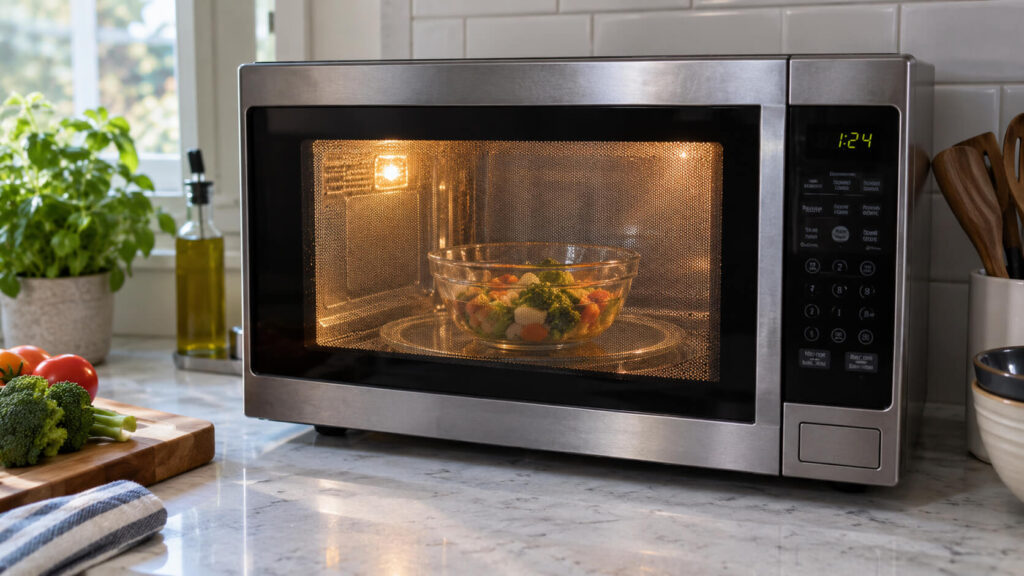
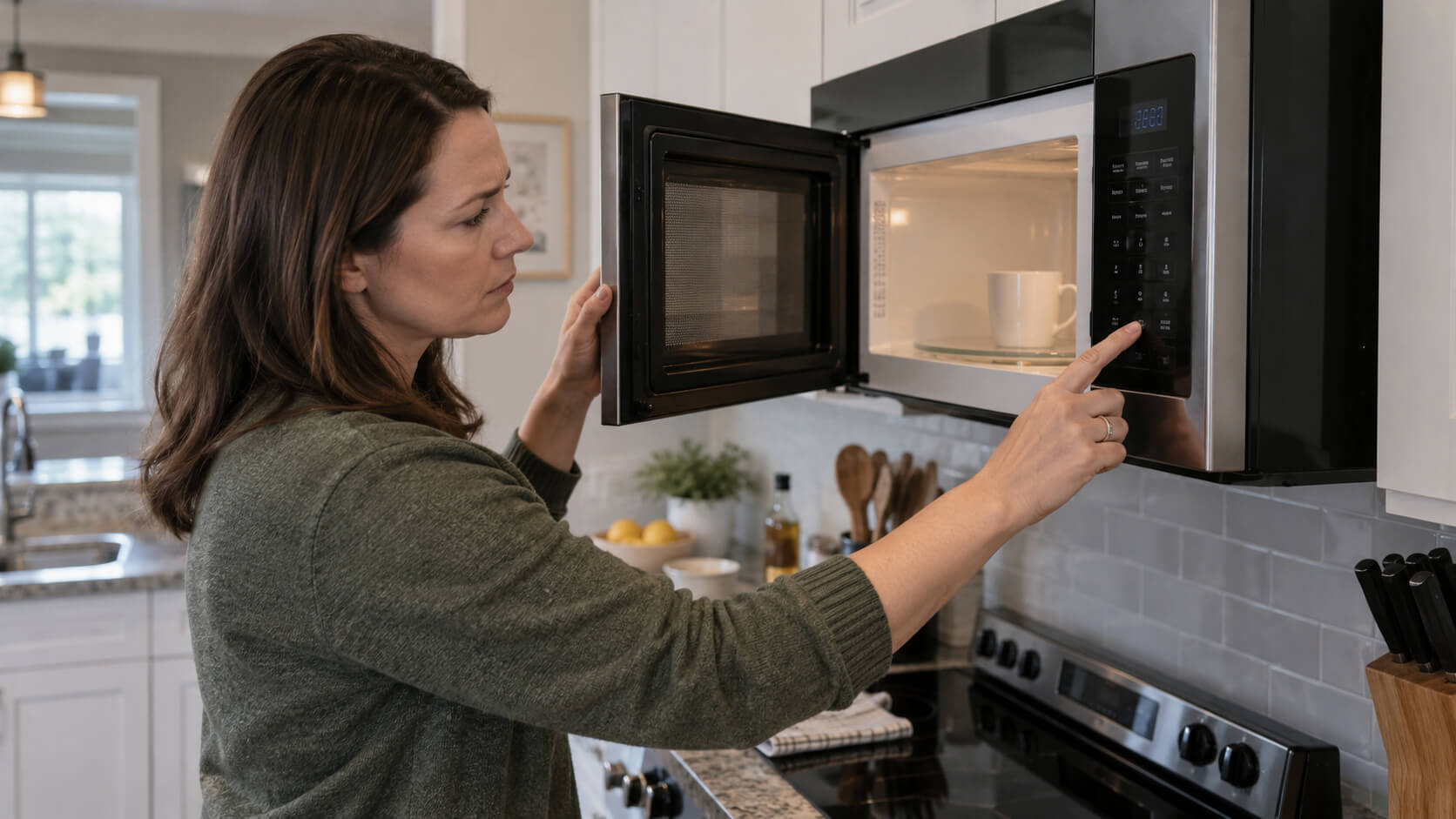
A simple water-heating test can help determine whether your microwave is producing heat normally. This test is useful when the appliance appears to operate but food does not become noticeably warmer. Start by selecting a microwave-safe cup or container and filling it with approximately one cup of room-temperature water. Place the container in the center of the microwave turntable and close the door securely.
Select the highest cooking power and heat the water for approximately one minute, following any specific testing instructions in your owner’s manual. Carefully remove the container using appropriate protection because heated water and containers can cause burns. If the water becomes noticeably warmer, the microwave is generating at least some heat. If the water remains close to its original temperature, the appliance may have a heating-related malfunction.
Keep in mind that this basic test only confirms whether heating occurs and does not precisely measure microwave output performance. Some manufacturers provide more detailed performance tests involving larger water quantities, specific heating times, and temperature measurements. Never operate a microwave completely empty because doing so may damage the appliance. If the microwave consistently fails the water-heating test after basic settings have been checked, discontinue troubleshooting and arrange professional inspection.
Internal Components That Can Cause Microwave Heating Failure
When basic troubleshooting does not restore heating, the problem may involve an internal electrical component. One possible cause is a defective magnetron, which is responsible for generating the microwave energy used to heat food. If the magnetron fails, the appliance may continue running while producing little or no heat. A malfunctioning high-voltage diode can also interrupt the electrical supply required for magnetron operation.
Another possible issue is a defective high-voltage capacitor or related circuit component. These components work together in conventional microwave heating systems and must operate correctly for the appliance to heat food. Some newer microwave ovens use an inverter board to control power delivery, and an inverter malfunction can produce similar symptoms. Faulty control-board components or relays may also prevent the heating system from activating during a cooking cycle.
The exact cause cannot be reliably identified from external symptoms alone because several electrical failures can produce nearly identical behavior. Professional technicians use specialized diagnostic procedures to test components and determine which part requires replacement. Microwave ovens can retain dangerous electrical charges even after being unplugged, making internal electrical inspection especially hazardous. For this reason, magnetron, capacitor, diode, inverter, and control-board repairs should only be performed by qualified appliance repair professionals.
Could Power Supply or Ventilation Problems Affect Microwave Heating?
Electrical supply problems can sometimes interfere with microwave performance, especially when the appliance experiences interruptions or unusually low voltage. A microwave generally requires a stable electrical supply to operate its heating system correctly. If you notice the display resetting, lights dimming significantly, or the appliance shutting down unexpectedly, the electrical supply may need investigation. Check that the power cord is securely connected to an appropriate wall outlet and inspect the visible cord for damage.
Avoid using extension cords or overloaded power strips because microwave ovens have substantial electrical power requirements. If the circuit breaker repeatedly trips, stop using the microwave and consult a qualified electrician or technician. Ventilation is another important factor because internal electrical components generate heat during operation. Microwave ovens require adequate airflow to maintain appropriate operating temperatures.
Blocked ventilation openings can contribute to overheating and may cause certain models to interrupt operation or activate protective controls. Countertop microwaves should have the clearance specified in their installation instructions, while over-the-range and built-in models have different ventilation requirements. Keep accessible exterior vents free from dust and obstructions, and do not cover openings while the appliance is running. Although poor ventilation is not always the direct cause of complete heating failure, correcting installation and airflow problems can help maintain reliable microwave operation.
When Should You Call a Professional Microwave Repair Technician?
Some microwave heating problems can be resolved by correcting settings, cleaning the door area, or following the manufacturer’s operating instructions. However, persistent heating failure often requires more advanced diagnosis. If your microwave runs normally but repeatedly fails to warm a cup of water, professional inspection is usually the safest next step. A qualified technician can determine whether the issue involves the magnetron, high-voltage circuit, door interlock system, or electronic controls.
You should also arrange service if the appliance produces unusual buzzing sounds, repeated electrical faults, or unexplained shutdowns. Burning smells, smoke, or visible electrical damage are warning signs that require immediate discontinuation of use. Do not continue testing an appliance that shows these symptoms. Internal microwave components can retain dangerous electrical energy even when the power cord has been disconnected.
Professional microwave repair technicians have the appropriate equipment and training to diagnose these systems safely. They can also evaluate whether a component replacement is financially reasonable compared with purchasing a new microwave. Before scheduling service, record the appliance’s model number, approximate age, and symptoms to help the technician prepare for diagnosis. Seeking professional assistance when internal heating components are suspected can reduce the risk of electrical injury and prevent additional appliance damage.
Is It Better to Repair or Replace a Microwave That Won’t Heat?
Deciding whether to repair or replace a microwave depends on the appliance’s age, condition, repair cost, and type of failure. A relatively new microwave with a minor door-related issue may be worth repairing, particularly if replacement parts are readily available. More expensive internal failures can make replacement a better option, especially for basic countertop models. Magnetron and inverter-related repairs may involve significant parts and labor costs.
Before making a decision, request a diagnosis and written repair estimate from a qualified technician. Compare the quoted repair price with the cost of a comparable replacement microwave. Consider whether the appliance has experienced previous problems because repeated breakdowns can increase long-term ownership costs. Built-in and over-the-range microwaves may justify higher repair expenses due to their installation requirements and replacement costs.
It is also worth checking whether the microwave remains covered by a manufacturer’s warranty or extended service agreement. Some manufacturers provide separate coverage for certain heating components, although labor charges and exclusions may apply. If the door structure is damaged, the repair decision must also account for microwave radiation safety requirements. A professional assessment can help you choose the most practical and cost-effective solution without compromising appliance safety.
How to Prevent Microwave Heating Problems in the Future?
Regular microwave maintenance can help reduce unnecessary wear and support reliable cooking performance. One of the simplest preventive measures is cleaning food spills before they become hardened deposits inside the appliance. Accumulated grease and food particles can interfere with cleanliness and may contribute to odors or sparking under certain conditions. Use a soft cloth and a manufacturer-approved cleaning method to maintain the microwave interior.
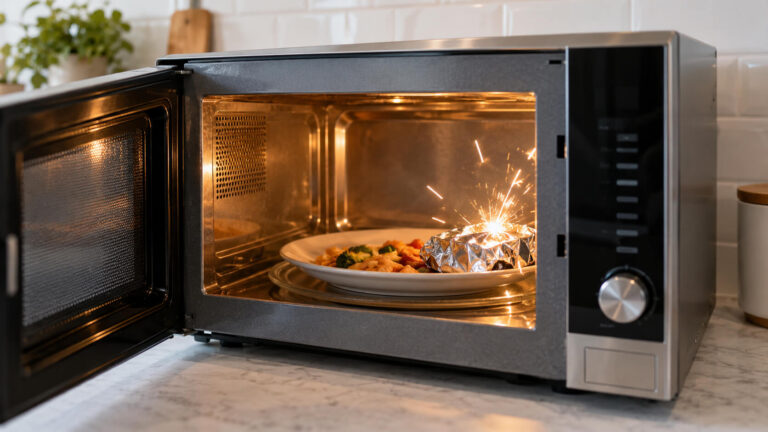
Avoid slamming the microwave door because repeated force can damage hinges, latches, and associated components. Make sure containers and food packaging do not prevent the door from closing completely. Always use microwave-safe cookware and follow the manufacturer’s guidance regarding metallic items and accessories. Never run the microwave empty, as microwave energy may be reflected back into internal components and cause damage.
Ensure ventilation openings remain unobstructed and that the appliance has sufficient installation clearance. Pay attention to unusual operating sounds, inconsistent heating, or error messages rather than ignoring them until the microwave stops working entirely. Following the manufacturer’s recommended operating and maintenance procedures can also help preserve long-term appliance reliability. Although routine maintenance cannot prevent every electrical failure, it can reduce avoidable problems and make changes in heating performance easier to identify.