Repair a broken appliance when it is in the first half of its expected life, the fault is one clearly diagnosed part, and the repair costs well under half the price of a comparable new model. Lean toward replacing it when it is past that midpoint and the quote is more than about half the replacement cost, when a major system has failed on an older unit, or when parts are no longer available. Here’s how to apply that rule to your fridge, washer, dryer, dishwasher or range.
In this guide:
- The 50 percent rule and its limits
- How long major appliances typically last
- Five checks before you decide
- Why the type of fault matters
- Decision table and a hypothetical example
- What energy labels can and can’t tell you
- Disposal if you replace
- Common mistakes and FAQ
The 50 percent rule: a starting point, not a verdict
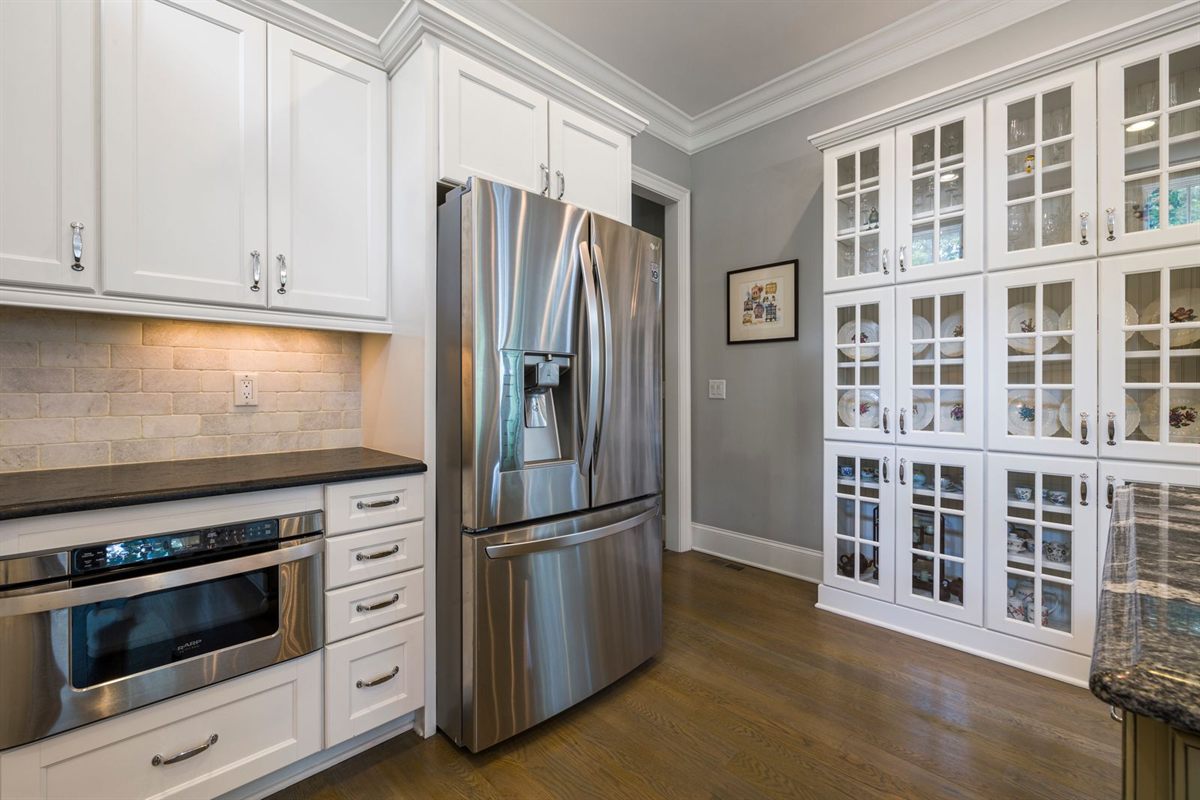
The best-known guideline comes from Consumer Reports, which in a January 2014 press release advised against spending more than half the price of a new product to repair an old one. A common refinement adds an age test: if the appliance is past the midpoint of its expected life and the quote tops 50 percent of a comparable new model, replacing it usually makes more sense.
Consumer Reports’ newer guides, built on US member surveys, also weigh how quickly each product type loses value. Its refrigerator guide (updated January 2024) says fixing a fridge under 10 years old is usually the more economical choice, while its dishwasher guide (also January 2024) notes that the numbers tend to favour replacement because dishwashers lose value quickly. The right threshold shifts from one appliance to the next.
How long major appliances typically last
We could not find a current Canadian dataset on appliance lifespans, so these figures come from US sources. Treat them as rough averages, not expiry dates.
| Appliance | Reference lifespan | Source (market, year) |
|---|---|---|
| Refrigerator (standard) | About 13 years | NAHB (US, 2007) |
| Washer | About 10 years | NAHB (US, 2007); Consumer Reports (US, 2026) |
| Dryer | About 13 years | NAHB (US, 2007) |
| Dishwasher | About 9 to 10 years | NAHB (US, 2007); manufacturers surveyed by Consumer Reports (US, 2026) |
| Range or oven | About 13 (electric) to 15 years (gas) | NAHB (US, 2007) |
NAHB refers to the National Association of Home Builders’ “Study of Life Expectancy of Home Components,” published in February 2007 with Bank of America Home Equity. The figures are dated, and heavy use, hard water or skipped maintenance can shorten any of them. What matters is whether yours is in the first or second half of its likely life.
Five checks before you decide
- Rule out simple fixes. Unplug the appliance before inspecting it. A tripped breaker, clogged filter, dusty condenser coils or blocked vent can mimic a major failure; our guide to a refrigerator that isn’t cooling walks through these checks. A fix has worked when the appliance completes a normal cycle or holds its temperature for a full day.
- Check the warranty. Consumer Reports’ 2026 washer and dryer guides note that manufacturer warranties typically last about a year, but several manufacturers cover refrigerator sealed-system parts for longer. Read the booklet and any extended plan you bought.
- Search for recalls. In Canada, the Government of Canada’s Recalls and safety alerts website lists Health Canada’s consumer product recalls. If your model appears, follow the notice and contact the company; the remedy may cost you nothing.
- Get a clear diagnosis and estimate. Ask what failed, what parts and labour cost, whether the part is in stock, and whether anything else looks worn.
- Price a real replacement. Measure the space and check the hookups; built-in dishwashers and counter-depth fridges can limit your choices. If you rent and the appliance came with the unit, talk to your landlord first.
Why the type of fault matters as much as age
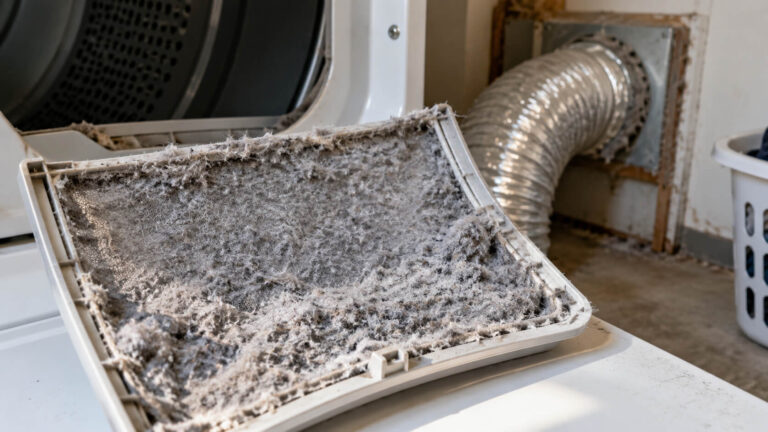
A single worn part on a sound appliance is usually a reasonable repair: a door gasket, drain pump, heating element, sensor, belt or door switch. If your dryer tumbles but stays cold, the cause is often one part in the heating circuit; our dryer not heating guide covers the usual suspects. Never bypass a blown thermal fuse. It often trips because of a lint-clogged vent, and running a dryer without it is a fire risk.
A refrigerator’s sealed system is the closed loop of compressor, condenser, evaporator and tubing that carries the refrigerant. Repairing it means recovering the refrigerant, brazing (high-temperature joining) the lines, replacing parts, then evacuating and recharging the system. That takes specialized equipment and more skilled labour than most repairs, so on an older fridge it often tips the decision toward replacement. In Alberta, the Ozone-depleting Substances and Halocarbons Regulation governs the use and release of refrigerants. Sealed-system work is never a do-it-yourself job.
Control boards, washer tub bearings and rusted dishwasher tubs can also push costs up, especially when parts are discontinued. Gas ranges use different parts, and gas work needs a licensed gas technician. If you smell gas, leave the home and call your gas utility.
Decision table: lean repair or lean replace
| Factor | Lean repair | Lean replace |
|---|---|---|
| Age | First half of expected life | Past the midpoint |
| Quote vs. comparable new model | Well under 50 percent | Over about 50 percent |
| Type of fault | One worn part, clear diagnosis | Sealed system on an older fridge, rusted tub, several faults |
| Repair history | First significant repair | Repeated repairs in a short period |
| Parts | Available now or soon | Discontinued or a long wait |
| Warranty or recall | Repair is covered | Not covered |
| Safety | Fully fixable with correct parts | Overheating damage that can’t be repaired safely |
| Energy and water use | Small gap versus new models | Large gap on a heavily used unit |
If most answers land in one column, you have your decision. If they’re split, we suggest giving the most weight to the quote and the type of fault.
Hypothetical example: running the numbers
Hypothetical example: these are round numbers chosen to show the maths, not real market prices.
A dryer bought 9 years ago stops heating. Against the 13-year reference above, it is about 69 percent through its expected life (9 ÷ 13), so past the midpoint. A comparable new dryer costs $1,000 installed.
- Quote A: $250. That’s 25 percent of replacement cost. Spread over roughly 4 more years, it’s about $63 a year, versus about $77 a year for a new dryer over 13 years ($1,000 ÷ 13). Lean repair.
- Quote B: $600. That’s 60 percent of replacement cost on an appliance past its midpoint. Both tests point to replacing, especially if it’s the second or third repair this year.
The cost-per-year figure is rough, since nobody knows how long an older appliance will last, but it’s a useful check on a borderline quote.
What energy labels can and can’t tell you
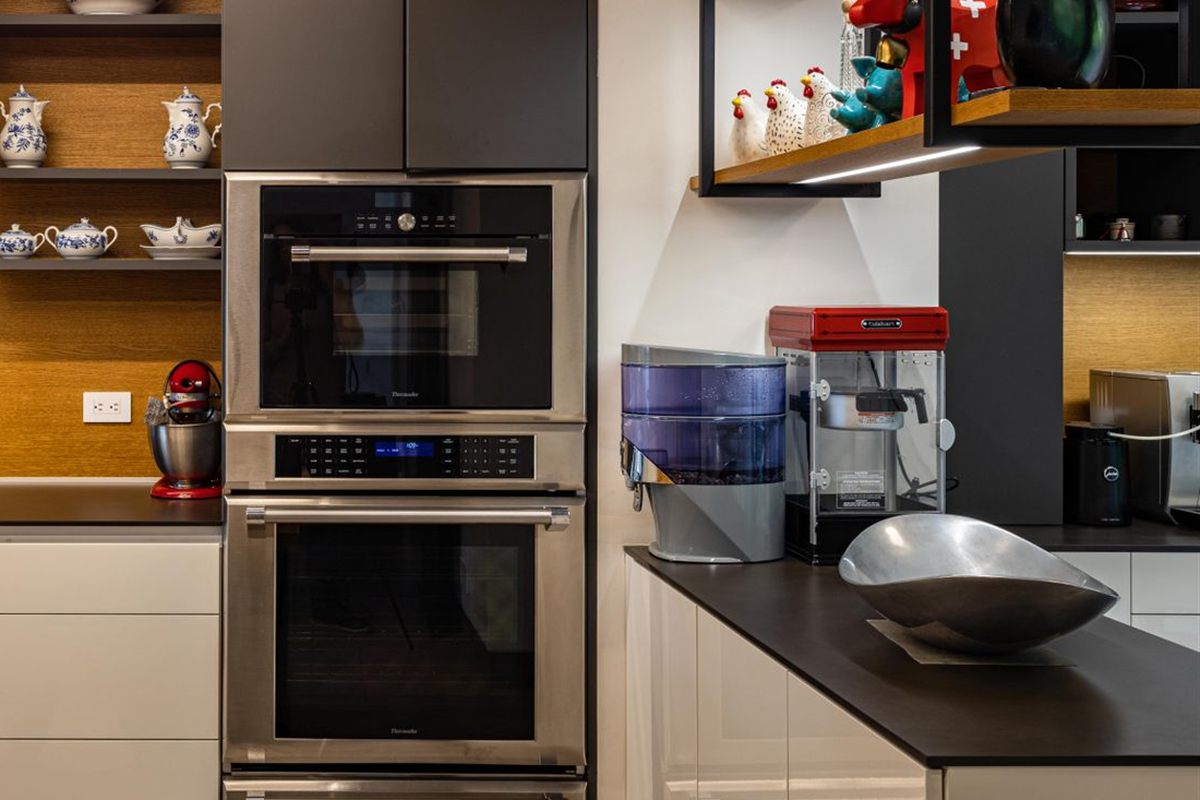
In Canada, refrigerators, freezers, washers, dryers, dishwashers and electric ranges must carry an EnerGuide label, according to Natural Resources Canada (NRCan). It shows annual energy consumption in kilowatt-hours (kWh); lower is better.
NRCan’s ENERGY STAR pages (updated 2024 and 2025) give these average savings for certified models compared with standard models:
- Refrigerators: 9 percent less energy
- Clothes washers: 25 percent less energy and 33 percent less water
- Clothes dryers: 20 percent less energy
- Dishwashers: 12 percent less energy and 30 percent less water
Those comparisons are against standard new models, not your 12-year-old appliance. NRCan’s refrigerator page adds that an old fridge uses about 35 percent more energy, on average, than an ENERGY STAR certified one. To estimate your own savings, subtract the new model’s EnerGuide kWh from your current unit’s rating (check the manual) and multiply by the electricity rate on your bill. In our view, energy savings are usually a tie-breaker rather than the main reason to replace a working appliance.
If you replace: disposal in Edmonton
According to the City of Edmonton, Eco Stations accept household appliances that can’t go out with regular garbage. A fee applies to fridges, freezers, dehumidifiers and other items that contain refrigerant, because the refrigerant has to be removed safely before the appliance is recycled. Fees and accepted items change, so check the City’s current Eco Station list before you go, and ask your retailer whether haul-away of the old unit is included with delivery.
If your old appliance has been recalled, don’t sell it or give it away: Health Canada notes that the Canada Consumer Product Safety Act prohibits redistributing recalled products.
Common mistakes to avoid
- Deciding on age alone. A 9-year-old appliance with a cheap, clear fault may have years left. Get a diagnosis before you shop.
- Comparing the quote with the cheapest flyer price. Delivery, installation and a smaller capacity erode the bargain. Compare like with like.
- Skipping the warranty and recall check. You may pay for a repair that would have been covered.
- Judging each repair in isolation. Three modest repairs in a year can exceed half the price of a new unit. Keep a running total.
Frequently asked questions
What is the 50 percent rule for appliances?
A guideline, popularized by Consumer Reports: don’t spend more than half the cost of a comparable new appliance repairing an old one, especially once it’s past the midpoint of its expected life.
Is it worth repairing a 10-year-old refrigerator?
Often, if the fault is a single part such as a fan motor, sensor or door gasket. A sealed-system failure on a fridge that age deserves a hard look at replacement.
Is a compressor or sealed-system repair ever worth it?
It can be on a newer or higher-end refrigerator, especially if the warranty covers sealed-system parts. On an older standard model, the labour and refrigerant work often push the cost past the 50 percent line.
Should I buy an extended warranty?
It depends on your budget and tolerance for risk. In Consumer Reports’ 2024 refrigerator survey (US), nearly half of people who bought an extended warranty for a fridge never used it. Read the exclusions before you pay.
How do I check if my appliance has been recalled in Canada?
Search the Government of Canada’s Recalls and safety alerts website for the brand, then match the model number on your appliance’s rating plate against any notice.
Will a new appliance lower my energy bill?
Probably somewhat; the saving depends on your old unit, the new model and how much you use it. Compare EnerGuide kWh ratings using your own electricity rate.
Is an old oven or electric range worth repairing?
Ranges have some of the longest reference lifespans in the table above, and a failed element or sensor is often a single-part repair. Our oven repair service can diagnose the fault and quote before any work begins.
Where can I get rid of an old fridge in Edmonton?
The City of Edmonton’s Eco Stations accept old fridges, with a fee because the refrigerant must be removed first. Check the current fee on the City’s website, or ask the store selling your new fridge whether it takes the old one away.
The bottom line
Repair when the appliance is relatively young, the fault is clear and the quote is well under half the cost of a comparable replacement. Replace when it’s past its midpoint and the numbers, the fault or the repair history point the same way. Before deciding, note the model number and age, check the warranty and recall status, and get a proper diagnosis.
If you’re in Edmonton or nearby communities such as Sherwood Park and Spruce Grove, Dr. Appliance Fix can diagnose your fridge, washer, dryer, dishwasher, oven or stove and cooktop, explain the repair and give you a clear estimate before work begins. Book a visit on our website or call +1 (587) 501-7136.